


As impurities in the environment are on and our surroundings are becoming more polluted, it’s becoming strenuous day-by-day to keep our skin clean and fresh. The body part which has to bear the brunt and mostly exposed to the environmental pollution our face.

The skin of our face is delicate in comparison to other body parts and hence demands a bit more caring and cleaning and for that face wash or cleanser play important role. Store-bought facial washes strip the skin of its beneficial oils, leaving dry skin getting more drier and oily skin producing more oils.
To maintain moisture and hydration on face skin according to summer and winter, you can opt for chemical free homemade face wash for your self with natural and organic ingredients which are pocket friendly.
A homemade natural facial cleanser is the best you can have and do your facial skin a favor. Let’s see in video how to make DIY facial cleanser at home using natural products.
Ingredients Used in Homemade Face Wash for All Skin Types
You can make various types of face cleanser at home, entirely depending on ingredients' choice, you can make a herbal face cleaner or Ayurveda face wash. Here we discuss step by step for making face wash at home, so you need some ingredients first.
- Bowl
- Spoon
- Aloe Vera Gel
- Almond Oil
- Baby Shampoo
- Rose Hydrosol Water
- Tea Tree Essential Oil
- Container
DIY Face Wash Supplies – Know Your Ingredients First
While making face wash at home, you first need to know the ingredients of face cleanser first used in face cleanser since it is a daily use item, and you need to be careful while selecting them. As some people face skin irritation, redness, and itching after using a face wash, so let's know the supplies first:
1. Aloe Vera: A natural ingredient with lots of properties such as heal wounding, antibacterial, and anti-inflammatory. Even it holds a lot of good antioxidants and vitamins.
2. Almond Oil: Common and useful oil with retinol, vitamin E, and K, which is good for skin and reduces skin irritation
3. Rose Hydrosol Water: Also known as rose oil, used for pleasing scent & skin-soothing benefits. For Sensitive skin types people, add this oil in a homemade face cleanser.
4. Tea Tree Essential Oil: Popular oil is used in various face washes as it offers healing properly with antimicrobial nature. It helps in removing dirt, germs particles, and oil from skin pores.
How to Make Natural Face Wash at Home – Step-by-Step Recipe
- Take a clean bowl and add 2 tablespoons of Aloe Vera Gel in it.

- After that, add one tablespoon of Almond Oil.

- Next, you need to have a baby shampoo and add 3 tablespoons of it in the bowl.

- Add 3 tablespoons of Rose Hydrosol Water to the mixture and mix all the ingredients well.

- Next up you need to have is Tea Tree Essential Oil. Add 5 drops of the essential oil in the bowl.

- Take an empty container to store the mixture.
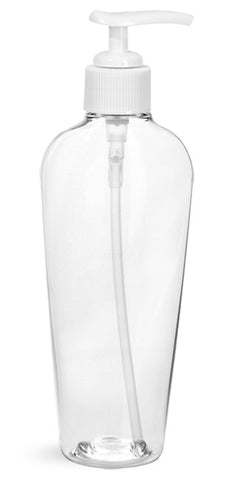
- Your homemade face wash is ready to use. Shake well before every use.

Now the question arises, how long you can use this homemade face wash. To use face cleanser for more than a week, then try to keep in a cold place or refrigerator and try to smell or check the texture while using it.
If you feel any change, start making the new batch of fresh face wash at home by following the same steps. You can change the ingredients this time to get a new face wash with different properties suitable for your skin.
Why Make Face Wash at Home?
Making face wash at home has several benefits. It might be cheaper than store-bought cosmetics and customized for your skin. It's fun to try different ingredients and choose your favorite.
1. Free from Harsh Chemicals & Sulfates
Parabens, which can affect hormones, and synthetic scents, which can irritate skin, are common ingredients in store-bought face wash. DIY alternatives use natural ingredients that are free of harsh chemicals and sulfates.
2. Customizable for Different Skin Types
If you have oily, dry, or sensitive skin, you may modify the ingredients in your homemade face wash to make it suitable for your skin type. This will ensure that the face wash is effective for you.

3. Cost-Effective and Eco-Friendly
Making your own face wash with things you already have in your house, such as honey, oats, or coconut oil, is substantially less expensive than buying high-end skincare products. Also, they are environmentally friendly.
4. Fresh, Natural, and Gentle on the Skin
DIY face wash has fresh and natural ingredients that are gentle on the skin. You know exactly what is going on with your skin, as you avoid hazardous additives and concentrate on natural, nourishing substances.
Face Wash You Can Make Yourself For Different Skin Types
While making a face wash at home, you need to know your skin type first, whether you have oily skin, sensitive skin, dry skin, and combination skin, to select the right ingredients that refresh only your skin and deep cleanse your skin pores.
 You can also add organic ingredients that are effective for acne-prone skin, blackheads, and reducing breakouts. Check out a wide range of face wash you can make at home at low cost and chemical-free.
Natural Face Wash Variations You Can Try at Home
-
Yogurt Face Wash – Soothes and moisturizes dry skin.
-
Grape Face Wash – Rich in antioxidants, great for anti-aging.
-
Olive Oil Face Wash – Deeply hydrates and removes makeup gently.
-
Milk Face Wash – Brightens dull skin and evens out tone.
-
Apple Cider Vinegar Face Wash – Balances oily skin and fights acne.
-
Coconut Oil Face Wash – Nourishes and protects sensitive skin.
-
Honey and Lemon Face Wash – Natural antibacterial duo for clear, glowing skin.
Follow our Blogs to know more about such excellent DIYs. Also, share your experience using the natural facial cleanser in the Comments Section below and what difference you noticed.
Common Mistakes to Avoid While Making Face Wash at Home
In the process of making face wash at home, there are a few common mistakes that should be avoided.

1. Using too Many Essential Oils
When making DIY face wash, it is important to avoid using too many or too concentrated essential oils. These potent botanicals can produce severe irritation, rashes, chemical burns, and long-term skin sensitization.
2. Incorrect Ingredient Ratios
Improper ingredient ratios in DIY skin care can lead to severe skin issues, unlike cooking, where recipes can be adjusted. Creating face wash requires precise measurements to maintain the skin's delicate pH balance and avoid irritation.
3. Improper Storage
Improper storage is one of the most significant mistakes to avoid while creating a face wash. Because homemade items do not contain synthetic preservatives, they are very susceptible to contamination, bacterial development, and mold if not properly maintained.
FAQs
Q1 What ingredients make a good face wash?
Ans1 A good face wash cleanses without harming the skin, using moisturizing agents, barrier-supporting chemicals, and gentle surfactants. Consider specific ingredients like salicylic acid, honey, yogurt, aloe vera, and vitamin C for targeted benefits.
Q2 What is a simple face wash made of?
Ans2 Castile soap, aloe vera gel, vegetable glycerin, castor oil, honey, yogurt, and essential oils of your choosing are some of the natural ingredients that can be used to make a simple face wash.
Q3 How to wash your face correctly?
Ans3 Use an alcohol-free, gentle face wash. Wet your face with lukewarm water and apply face wash with your fingertips. Scrubbing irritates skin, so avoid it. Clean with lukewarm water and a gentle cloth.
Q4 Which time is best for using face wash?
Ans4 Wash your face twice daily, that is, in the morning to remove overnight sweat and oil, and at night to eliminate grime and makeup. Use lukewarm water and massage for 30-60 seconds.
Q5 What is the best homemade cleaning solution?
Ans5 DIY face wash with honey, yogurt, or oats is cheap and easy. These chemicals clean without eliminating skin oils. Honey and yogurt make the best DIY face cleanser for regular use.
You May Also Like:
- Make DIY Liquid Hand Soap at Home
- Make Tea Tree Oil Soap at Home
- How to Make Charcoal Soap at Home
- Make Natural Soap with Essential Oils
- Make Homemade Sunscreen Bars

Reviewed by:
Anjali Sharma
Anjali Sharma is a cosmetic & skincare formulation chemist with experience in developing products with over 5 years of experience in the Skincare and cosmetic industry.
Buy Products
-
-
 ₹289.00 ₹450.00
 -
 ₹439.00 ₹600.00
 -
 ₹149.00 ₹200.00
 -
 ₹449.00 ₹800.00


 Home
Home Search
 Shop
Shop Chat
Chat Profile