
How to Make Lip Balm Without Beeswax - 5 Vegan DIY Recipes

We all desire smooth, beautiful lips, and giving them the nutrients they require is one of the nicest things you can do for them. The skin of your lips is extremely delicate, and it is prone to damage from your lifestyle, the sun, and severe weather.

If you have dry, peeling, or chapped lips, now is the time to give care to your pout. What could be better than employing natural products like shea butter to hydrate them and aid in their healing? In addition, you can make your lip balm that is 100% natural, hydrating, and specifically tailored to your lips.
Is It Possible to Make Lip Balm without Beeswax?

However, one of the most common ingredients found in homemade lip balms, Beeswax, is drying and allergic for some people. People lately have also been avoiding Beeswax since it is a non-vegan product. So if you’re one of them and are desperately looking for DIY lip balms without Beeswax, you’ve come to the right place!
The best beeswax alternatives for DIY lip balm
In contrast to beeswax, plant waxes have different melting points, levels of hardness, and skin feel, which makes them a good substitute; however, their characteristics, and behaviour differ. Here are a few examples:
Candelilla wax
Candelilla wax, a popular beeswax alternative with a deep yellow color and pleasant aroma, is an excellent vegan lip balm ingredient.
Soy wax
You can use soy wax as a vegan-friendly alternative to beeswax.
Carnauba wax
Due to its high melting point, carnauba wax creates a balm that is comparable in hardness to candelilla and beeswax.
Coconut oil
Coconut oil, when combined with shea butter or candelilla wax, provides a softer texture in lip balm as a moisturizing beeswax alternative.
Shea/cocoa butter
Beeswax substitutes like shea and cocoa butters offer moisturizing, and softening properties, while beeswax has a harder texture.
Top 5 Recipes of DIY Lip Balms Without Using Beeswax
This blog is for all our vegan friends and everyone sensitive to Beeswax out there who is always on the lookout for DIY stuff that can be made without Beeswax. We have gathered 5 great recipes for homemade lip balms which can be easily made without Beeswax and still provide the care and nourishment that your beautiful lips deserve.

Recipe 1: DIY Shea Butter Lip Balm Without Beeswax
This preparation requires no beeswax and vaseline. Instead, it is enriched with the goodness of shea butter which can be used as a lip balm by itself without mixing it with anything else. In addition, Shea butter possesses powerful emollient abilities which will leave your lips feeling as supple and smooth as ever.
Ingredients
- Shea Butter: 2 Parts
- Soy Wax: 1 Part
- Calendula Oil: ½ Cup
- Lavender Essential Oil: 3 Drops
Recipe
- In a water bath, melt the butter and wax.
- Once the butter and wax have melted, add the oil and other ingredients.
- Stir everything together thoroughly.
- Fill lip balm tubes or any other containers you choose to utilise with your liquid combination.
- Allow the mixture to set.
- That is all there is to it. You've prepared a natural lip balm without the use of beeswax.
How to Apply: Just dab some on your lips whenever they feel chapped or dehydrated.
Recipe 2: Homemade Cocoa Powder Vegan Lip Balm Recipe
Cocoa powder will protect your lips from harsh winter conditions. Your lips will feel soft and nourished after using this rich and restorative lip balm! It's high in antioxidants, omegas, and fatty acids, and it'll keep your lips looking and feeling great. It also smells fantastic!

Ingredients
- Olive Based Wax: 2 Teaspoons
- Coconut Butter/Oil: 1 Teaspoon
- Cocoa Powder: 1 Teaspoon
- Jojoba Oil: 1 Teaspoon
- Tea Tree Oil: 3 Drops
Recipe
- In a water bath, melt butter and wax.
- Add oil and other additions once the butter and wax have melted.
- Make a good stir.
- Fill lip balm tubes or any other containers you'd want to utilise with your liquid concoction.
- Allow for solidification of the mixture.
- You've developed a beeswax-free, healthy lip balm.
How to Apply: Enrich your lips with this lip balm whenever you feel like it.
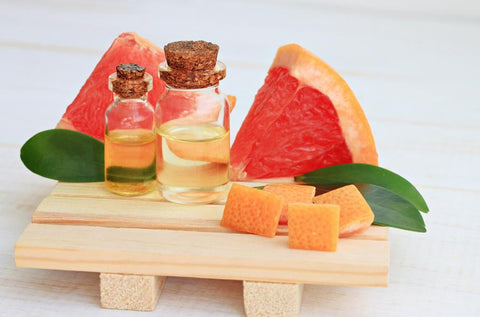
Recipe 3: Grapefruit Lip Balm Without Beeswax - Fruity & Moisturizing Balm
Grapefruit essential oil can provide excellent antimicrobial properties along with leaving your lips smelling fresh and fruity. This recipe contains shea butter as well, owing to its super nourishing characteristics. With whispers of coconut and grapefruit to thrill your senses, welcome the resplendence of smooth, supple lips. This concoction will also protect your lips against premature ageing and UV light damage.
Ingredients
- Castor Oil: 1 Tablespoon
- Shea Butter: 1 Tablespoon
- Coconut Oil: 2 Tablespoons
- Grapefruit Essential Oil: ¼ - ½ Teaspoon
- Powdered Beetroot (only if you want to add some color to your lip balm)
Recipe
- Melt the shea butter, coconut oil, and castor oil together over low heat.
- Remove the pan from the heat and stir in the grapefruit essential oil.
- If you want to add the beetroot for color, keep adding it in small quantities until you get the shade you want.
- Allow it to solidify.
- Transfer the lip balm into your lip balm tubes.
How to Apply: Apply some onto your lips to give them a pop of color along with the goodness of shea butter.
Recipe 4: Vegan Lemon Raspberry Lip Balm Recipe
This recipe is especially beneficial for those looking to lighten and bring back colour to their lips. Because lemon juice is acidic, it helps to eliminate dead skin cells and free radicals from your lips, leaving them smooth and supple.

Raspberry is a member of the rose family. Raspberries are high in minerals and vitamins, which maintain your lips' softness while also preventing darkening. Lemon will naturally lighten the color of your lips, while raspberry will give them a pinkish tint.
Ingredients
- Raspberry Gelatin Mix: 2 Teaspoons
- Virgin Coconut Oil: 2 Tablespoons
- Lemon Essential Oil: 3-4 Drops
- A spoon and a microwave-safe bowl
Recipe
- Start by heating your solid coconut oil for around 20 seconds in the microwave.
- Combine the raspberry gelatin mix and the other ingredients in a blender.
- Return this mixture to the microwave, and once the gelatin has melted, the oil should have taken on a rich raspberry hue.
- Mix in the lemon essential oil well.
- Pour the mixture into your lip balm container with care and leave it in the refrigerator to solidify.
How to Apply: Directly apply to your lips consistently for about a few months to get the natural color of your lips back.
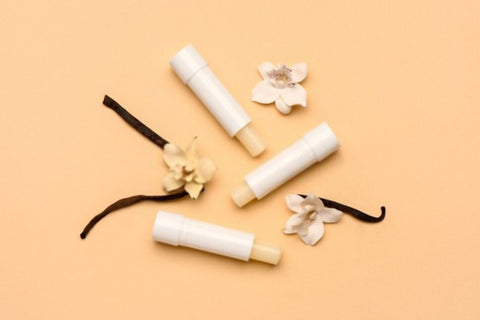
Recipe 5: Vanilla Coconut Lip Balm Without Beeswax
Coconut oil is a common burn treatment in alternative medicine. This is owing to its analgesic (pain-relieving) qualities as well as its wetness. These similar effects can help to heal chapped and cracked lips. In addition, vanilla is high in antioxidants, which help prevent and reverse free radical damage to the skin. It also leaves behind a delectable, luscious scent.
Ingredients
- Butter (you can even mix 2 different types of butter if you want to create your signature fragrance): 1 tablespoon
- Vegan Wax: 1 Tablespoon
- Pure Vanilla Extract: ½ Teaspoon
- Mandarin or Orange Essential Oil (Optional): 2-3 Drops
Recipe
- In a water bath, melt the butter and wax.
- Combine the oil, vanilla extract, and essential oil in a mixing bowl (if you are using it). Continue to whisk until you have a well-mixed liquid.
- Fill lip balm tubes or any other containers you choose to utilise with your liquid combination.
- Allow time for the mixture to settle.
How to Apply: Rub some of this beautiful, organically scented lip balm onto your lips and hydrate them whenever needed.
Conclusion
An all natural lip balm provides you with a plethora of additional health advantages as well as deeper lip conditioning. These balms include antioxidants and vitamins, which leave your lips feeling softer and looking healthier, as well as providing much superior nourishment.
Organic lip balms feel great on the lips and can help to heal the damage caused by the sun and other environmental factors. These balms also serve as barriers, protecting your lips from all sorts of additional harm. These lip balms will not only moisturise your lips, but they will also give you the peace of mind that they are safe for you, as well as for the environment.
FAQs
Is beeswax necessary for lip balm?
The ingredients needed to make lip balm are not limited to beeswax; plant oils, carnauba, candelilla, myrica fruit, soy, and jojoba wax are also common and helpful.
Can I make lip balm without wax?
Lip balm can be made without wax, using other ingredients like shea butter, cocoa butter, or a combination of oils, instead of beeswax for thickening and setting.
How do you harden lip balm without beeswax?
Lip balm can be hardened without beeswax using various waxes and oils like candelilla, carnauba, soy, and bayberry wax and can be adjusted by adjusting butter and oil ratios.
What is the best vegan wax for lips?
Vegan lip balms use candelilla wax, a popular alternative to beeswax, for its glossy texture, colourlessness, and gentleness on delicate skin.
You May Also Like:
- Make DIY Waterproof Eyeliner
- Make DIY Homemade Facial Serum
- Make DIY Makeup Remover Wipes
- How to Make DIY Green Tea Toner
- Shea Butter Lotion for Dry Skin

Reviewed by:
Anjali Sharma
Anjali Sharma is a cosmetic & skincare formulation chemist with experience in developing products with over 5 years of experience in the Skincare and cosmetic industry.
Buy Products
-
 ₹249.00 ₹500.00
 -
 ₹449.00 ₹900.00
 -
 ₹399.00 ₹500.00
 -
 ₹299.00 ₹500.00
 -
 ₹249.00 ₹400.00


 Home
Home Search
 Shop
Shop Chat
Chat Profile