


Discover the art of creating your own natural lip balm at home with this comprehensive guide. This blog offers a satisfying, cost-effective way to create personalized products using safe ingredients, avoiding harmful chemicals.
Suitable for beginners and experienced DIYers, it includes five of the best homemade recipes for lip balm.

Why Make Lip Balm at Home?
It's time you give some consideration to your sulk if you're experiencing dry, stripping, and dried lips. Also, what's superior to utilizing regular fixings to hydrate and assist them with mending quicker? You can make your lip emollient that is extraordinarily modified for your lips and is 100% normal.
Do-It-Yourself natively constructed lip analgesics additionally make extraordinary presents for your companions and friends, and family! Here are some lip balms that are liberated from synthetic substances and could be made effectively at home - they'll assist with saturating your lips and provide you with the fulfilment of being ok for you:

Why Lip Balm is Important?
Lip balm is definitely a necessity if you want to maintain soft, healthy, and protected lips throughout the day.
Since lips do not have oil glands, they are quite susceptible to drying, cracking, and generally becoming uncomfortable as a result of weather changes, dehydration, or sun exposure.
What lip balm should do is keep the lips hydrated, calm any redness or soreness, and form a shield that will protect against cold air and dirty air.
Using it consistently not only gets rid of rough lips but also makes your natural smile look even nicer, thus lip balm is simply a must in your daily routine.
Top 3 DIY Homemade Lip Balm Recipes
Exploring the pleasure of creating one's own natural lip balm is effortless with these five straightforward recipes. Whether you need a solution for dry, chapped, or cracked lips or want an essential oil-infused option, these recipes are perfect for personal use or as thoughtful gifts. Start creating your own nourishing lip balms today!
1. DIY Aloe Vera Lip Balm for Dry & Chapped Lips
Made with the all-natural aloe vera, coconut oil, beeswax, cocoa butter, and vitamin E oil, the aloe vera lip balm has practically all the ingredients that will help in keeping your lips hydrated and moisturized. This lip balm can also serve as a natural healer for chapped, cracked, and dried lips.
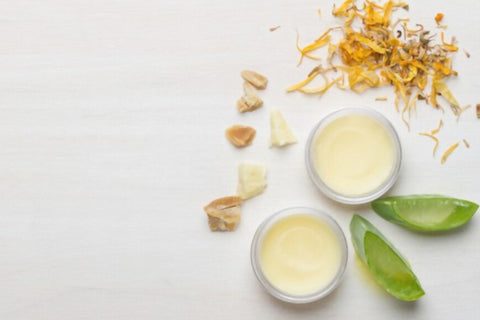
Ingredients:
- Beeswax Pellets - 2 Tablespoons
- Coconut Oil - 1.5 Tablespoons
- Cocoa Butter - 1 Teaspoon
- Aloe Vera Gel - 1 Teaspoon
- Vitamin E Oil - 8-10 Drops
Recipe:
- Melt beeswax pellets, coconut oil, and cocoa butter in a double boiler on medium flame
- When the mixture reaches liquid consistency, remove it from flame
- Cool till it reaches room temperature and adds aloe vera gel along with vitamin E oil
- Mix well and pour into lip balm tubes or any other type of container to store.
How to Apply: Apply this aloe vera rich homemade lip balm whenever your lips feel dry or chapped.
2. Nourishing Hemp Lip Balm Recipe for Cracked Lips
This lovely lip balm restores exceptionally dry lips and is intended to secure them in outrageous climate conditions. Hemp oil hydrates and relieves your lips, leaving them feeling delicate and smooth, and it likewise assists with re-establishing the skin's moisture barrier.
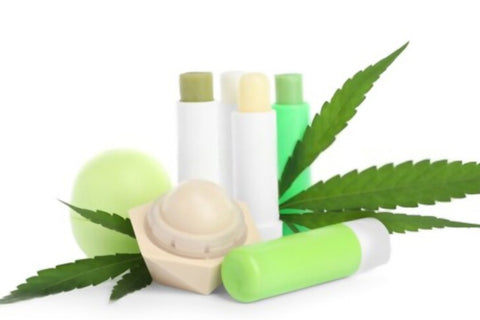
Ingredients:
- Hemp Oil - 1 Teaspoon
- Almond Oil - 4 Teaspoons
- Beeswax Pellets - 2 Tablespoons
- Shea Butter - 1 Tablespoon
Recipe:
- Melt beeswax pellets and shea butter in a double boiler
- Add hemp oil and almond oil while stirring the mixture
- Let the mixture reach a liquid state and then blend it using a mild set hand blender
- Let the mixture reach a medium thick state
- Cool for 5-6 minutes, and then pour into lip balm tubes.
How to Apply: Apply this hemp scented lip balm using your finger tips or straight from the lip balm tube when your lips need hydration.
3. DIY Rose Lip Balm Recipe with Shea Butter
A lush lip treatment that joins a rich mix of spreads and oils alongside the goodness of rose to safeguard dry and dry lips. Beeswax shapes the supplement rich base that frames a defensive hindrance and assists with locking in moisture.
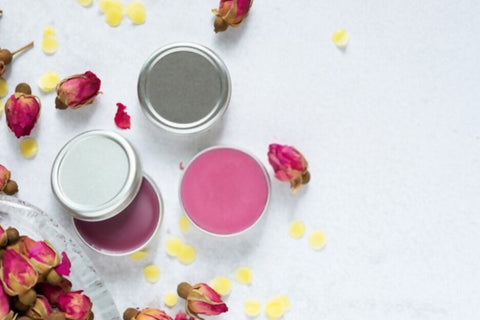
Ingredients:
- Beeswax Pellets - 2 Tablespoons
- Castor Oil - 3 Teaspoons
- Rose Essential Oil - 5-10 Drops
- Vanilla Extract - 1 Teaspoon
- Shea Butter - 1 Tablespoon
Recipe:
- Melt beeswax pellets, castor oil, and shea butter in a double boiler
- Add rose essential oil and vanilla extract while stirring the mixture
- Let the mixture reach a liquid state and then blend it using a mild set hand blender
- Let the mixture reach a medium thick state
- Cool for 5-6 minutes, and then pour into lip balm tubes.
How to Apply: Apply using a small amount on your fingertips and delicately spread evenly. You can apply this lip balm at any desired moment.

Tips for Perfect Homemade Lip Balm
Handmade lip balms lack preservatives, thus proper application prevents contamination, graininess, and deterioration. To make the perfect homemade lip balm that is safe, effective, and usable, follow the tips.
1. Getting the right consistency
For creamy DIY lip balm, use 1 part beeswax to 3-4 parts oils. Adjust consistency by adding more oil or beeswax.
2. Safe essential oil usage
The safe essential oil usage rate is 1% of the lip balm's total volume. Make sure the essential oil you use is lip-safe, non-phototoxic and IFRA approved at 1% or more in lip products.
3. Storage & shelf life tips
Store homemade lip balm in a cool, dry place in airtight containers; refrigerate for extended freshness and add Vitamin E oil.
Common Mistakes to Avoid
To ensure quality homemade lip balm, avoid incorrect ingredient ratios, overheating, and neglecting container sterilization to prevent irritation and ensure safety.
Using too Much Wax or Oil
To achieve the right texture, stability, and efficacy, balance the wax and oil in your homemade lip balm; don't use too much of either.
Overheating Ingredients
Avoid excessive heat when making homemade lip balm to preserve oils' properties, prevent beeswax brittleness, and retain essential oils.
Skipping Patch Tests
Always perform patch tests for DIY lip balm to avoid allergic reactions and irritation from natural ingredients like essential oils and beeswax.

FAQs
Q1 How to make a natural lip balm at home?
Ans Melt beeswax, a carrier oil (like coconut or almond), and a butter (such shea or cocoa butter) in a double boiler, then stir in essential oils before pouring into containers to cool, and harden.
Q2 What is the best natural ingredient for lips?
Ans Coconut oil, shea butter, cocoa butter, beeswax, and honey provide vitamins, moisture and a drought-resistant barrier. These natural ingredients that profoundly moisturise, nourish, and protect are optimal choices for lips.
Q3 What to avoid in lip balm?
Ans Some of the ingredients that you should avoid in a lip balm include Parabens (not all parabens are harmful), Phthalates, Butylated Hydroxytoluene or BHT, Mineral oils and PEG-8.
Q4 Which is the healthiest lip balm?
Ans The healthiest lip balms focus on natural, moisturizing ingredients like shea butter, beeswax, and plant oils over irritants like camphor, menthol, and synthetic smells, providing deep hydration and barrier protection.
Q5 Which lip balm has no side effects?
Ans Side effects vary among lip balms, but those with simple, natural ingredients like shea butter, beeswax, coconut oil, and vitamin E with no irritants like artificial fragrances, or camphor are usually safer.
Conclusion
Making your DIY custom made lip balm makes for a pleasant task for fledglings and more experienced crafters too. What's more, the most amazing aspect? You can modify everything from the shading, the surface, and the dampness content.
Along these lines, which one are you generally eager to attempt since you realize how to make a normal lip balm at home.
You May Also Like:
- How to Make Neem Face Wash at Home
- Orange Peel Powder Face Pack at Home
- How to Make Neem Face Pack at Home
- Top Clay Powder for Face Mask
- Make Lip Balm at Home Without Beeswax

Reviewed by:
Anjali Sharma
Anjali Sharma is a cosmetic & skincare formulation chemist with experience in developing products with over 5 years of experience in the Skincare and cosmetic industry.
Buy Products
-
 ₹289.00 ₹450.00
 -
 ₹199.00 ₹400.00
 -
 ₹349.00 ₹399.00
 -
 ₹339.00 ₹600.00


 Home
Home Search
 Shop
Shop Chat
Chat Profile