
How To Use Indigo Powder for Hair Color | Easy & Quick DIY Recipe

If you want to know how to use indigo powder for hair color but wish to avoid harsh chemicals, you are not alone. Many synthetic black hair dyes contain para-phenylenediamine (PPD), a harmful ingredient that can weaken hair, cause breakage, and damage scalp health. While chemical dyes may give instant results, they often strip away your hair’s natural shine and strength over time.
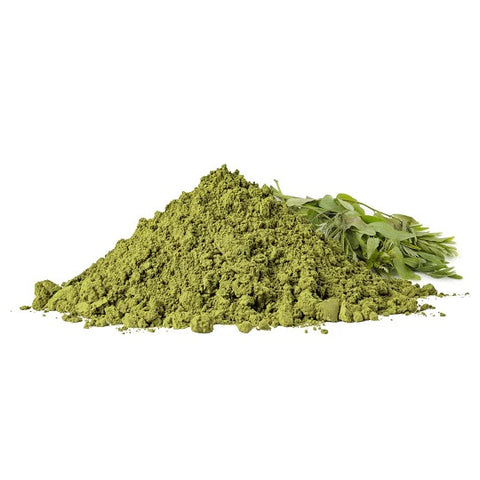
Long before artificial hair colors existed, people relied on natural hair dye solutions like indigo powder and henna to achieve rich brown and black shades safely. This age-old combination not only colors hair beautifully but also keeps it healthy, strong, and naturally nourished.
What is Indigo Powder, and the Benefits of Indigo Powder for Hair Color?
The herb indigo (Indigofera tinctoria) is a member of the bean family. It is one of the first dyes widely utilized as a natural coloring agent. It is a native plant to areas of Africa and Asia.
The crushed leaves of the plant are used as an organic dye for hair, and various materials are used to make indigo powder for hair color. As a result, Indigo was regarded as a valuable commodity and even called "blue gold."
Benefits of Indigo Powder for Hair Color
That was all about the history of indigo powder. Well, employing natural hair colors like indigo powder gives your mane the desired tone without causing any damage and improves the condition of your hair. Next, let us look at some fantastic advantages of indigo powder for hair before we go further.

- Natural Hair Color: The indigo powder can be a natural alternative to synthetic hair colors. Because the indigo powder is made of plants, it is mild on your hair and free of potentially damaging substances like ammonia and peroxide. It will also not cause frizziness in your hair.
- Prevent Grey Hair: Indigo powder can be used with coconut oil to treat greying hair and as a natural hair color. Long-term hair greying can be reversed and even prevented with regular application of this mixture.
- Encourage Hair Growth: Next, indigo leaf powder can be used to promote hair growth. Finally, regular massage with a combination of indigo powder and any carrier oil of your choice helps stimulate the roots and battle scalp infections to encourage new hair development.
- Prevent Dandruff: The indigo powder helps prevent scalp infections that lead to dandruff when used as a hair pack. In addition, regular scalp massages can nourish your scalp and minimize flaking, even using a hair mask infused with indigo powder.
- Treat Dryness: Indigo powder-infused hair packs are one of the greatest all-natural conditioners available, and they can be used to treat dry, brittle hair ends. Consistent application of homemade hair masks results in soft, silky, and bouncy hair.
How to Apply Indigo Powder For Grey Hair?
Those are all the amazing benefits of indigo powder for your hair. We are sure you are eager to know how to use indigo powder for hair color. Next, we will show you a few DIY methods in which you can apply indigo powder for hair color, both to perform as a dye and even just as a nourishing hair mask.
DIY Indigo Powder Recipes for Hair Care
Recipe 1. Indigo Hair Pack For Dry Tresses
This nourishing, protein-rich hair pack reduces hair loss and prevents dryness. Protein-rich foods like eggs are vital for healthy hair. In addition, Indigo and amla powder cover grey hair, and fenugreek lessens hair loss and clears the scalp.

Ingredients:
- Lemon - 1 Teaspoon
- Amla Powder - 1 Teaspoon
- Indigo Powder - 1 Teaspoon
- Henna Powder - 1 Teaspoon
- Fenugreek Powder- 1Teaspoon
Directions:
Step 1: Add a little amount of water to the mixture of one tablespoon of Indigo, henna, one cup of amla, and two tablespoons of fenugreek powder to make a paste.
Step 2: Give the mixture an hour to soak. Apply this mixture to your hair, massaging it over the length of it, starting at the roots. Let it stay for roughly 45 to 60 minutes.
Step 3: Use lukewarm water and a gentle sulfate-free shampoo to wash your hair. Avoid using hot water, as this may cause the egg in the hair pack to cook.
Recipe 2. Homemade Indigo Powder Pack for Hair Care
The shiny and manageable quality of your hair will be achieved by this hair pack. Loaded with proteins, it has natural conditioning properties that are very good for your hair. Also, this product runs as a mild cleanser, lifting dirt and buildup off the hair and scalp very gently without drying them out. This is why many people prefer to use indigo powder for hair color, as it not only gives natural color but also keeps the hair healthy and soft.

Ingredients:
- Egg - 1 Whole
- Curd - 1 Teaspoon
- Shikakai Powder - 1 Tablespoon
- Senna Powder - 1 Tablespoon
- Indigo Powder - 1 Tablespoon
Directions:
Step 1: Add a little amount of water to the mixture of one tablespoon of Indigo, henna, and shikakai powder to make a paste.
Step 2: Give this paste a full night to soak. In the morning, one egg and a spoonful of curd should be added to the indigo mixture.
Step 3: Starting at the roots and working your way down the length of your hair, apply this mixture to your hair. Let it stay for roughly 45 to 60 minutes.
Recipe 3. Indigo And Henna Hair Dye
Applying indigo powder directly to hair will give it a vivid blue color since the indigo powder is a blue dye. So, before applying indigo powder to hair, prime it with a henna treatment to get deeper colors like brown or black. The steps for dyeing your hair black are as follows:

Ingredients:
- Yoghurt - 1 Tablespoon
- Dry Coffee - 1 Cup
- Indigo powder - 1 Tablespoon
- Henna powder - 1 Tablespoon
Directions:
Step 1: The henna powder should be soaked overnight in a cup in a black tea or black coffee mixture. For further conditioning, add yogurt or an egg.
Step 2: On clean hair, apply the henna paste and let it sit for 45 minutes. Rinse well with water, avoiding using shampoo. Allow the hair to air dry after washing it.
Step 3: Combine indigo powder and water to create a consistent paste. Apply the paste all over the head after using one section of hair at a time, beginning at the roots and working your way to the ends.
Step 4: It sits for 45 minutes to two hours to get a deep, black color. Put on a shower hat while you wait. Rinse with water completely. The next day, wash your hair gently with a mild shampoo.
Conclusion
Indigo powder for hair color is the best option if you prefer a no-chemical hair color and wish to have healthier hair. You can use it to not only cover the grey but also to scalp health, dandruff reduction, and shine enhancement—all these with no harm to your hair.
For the best outcome, it is important to always select the purest and best indigo powder of high quality. Trusted brands like VedaOils come up with premium indigo powder, which is perfect for safe and effective hair treatments.
Frequently Asked Questions
Next, we will try to answer some of the questions that you may be having regarding the use of indigo powder for hair care.
Q. Can You Leave Indigo Powder in Your Hair Overnight?
Ans. As was already indicated, indigo powder releases color and saturates your hair in three to four minutes. Your hair will no longer be able to absorb color beyond this stage. Therefore, keeping it on overnight will not provide any further advantages; however, it will not cause any harm either.
Q. How long does Indigo Powder Dye Last in Your Hair?
Ans. Each person's situation is different. Depending on the porosity of the hair, how frequently it is washed, and the hair care and style regimen, the color typically lasts 8 to 12 weeks.
You May Also Like:
- Calendula Oil For Hair
- Sesame Oil For Skin Whitening
- Wheat Germ Oil For Skin Lightening
- Clove Oil for Hair Growth
- Kumkumadi Oil For Skin Whitening

Reviewed by:
Anjali Sharma
Anjali Sharma is a cosmetic & skincare formulation chemist with experience in developing products with over 5 years of experience in the Skincare and cosmetic industry.
Buy Products
-
 ₹149.00 ₹250.00
 -
 ₹149.00 ₹400.00
 -
 ₹199.00 ₹250.00
 -
 ₹149.00 ₹170.00
 -
 ₹149.00 ₹250.00


 Home
Home Search
 Shop
Shop Chat
Chat Profile