
Skip to product information


Lab Tested
/
Factory-direct
Glycolic Acid
Exfoliant, skincare, treats acne, reduces wrinkles, chemical peels, dermatology.
Skin Tightening
Restore Skin Elasticity


Lab Tested
/
Factory-direct
/
Quality checked
Glycolic Acid
Exfoliant, skincare, treats acne, reduces wrinkles, chemical peels, dermatology.
Skin Tightening
Restore Skin Elasticity
Anti-aging Properties
Sale price
₹199.00
Regular price
MRP
₹400.00
50% OFF
Inclusive of all taxes
<p>Earn%20[points_amount]%20when%20completing%20this%20purchase.</p>
80% orders get shipped in 3 days*
Get estimated delivery date
3 Days*
Return And Refund
FREE Shipping in India
on orders above ₹999
Glycolic Acid
Glycolic acid is a type of acid that belongs to the AHA (alpha hydroxy acid) group. It is one of the smallest and most effective acids in this group. It is naturally found in some sugar crops, but it can also be made in a laboratory through a chemical process.
The chemical formula of glycolic acid is C₂H₄O₃ (also written as HOCH₂CO₂H). It usually appears as a clear liquid with a light yellow color, although sometimes it can look completely colorless. It has a very mild smell that is hardly noticeable. It easily dissolves in water. Most glycolic acid solutions contain about 70% acid and 30% water. Its pH level is very low, usually between 0.5 and 2, which makes it quite strong.
Glycolic acid is widely used in skincare and cosmetic products such as toners, face creams, serums, body washes, deodorants, night creams, soaps, and scrubs. It works as an exfoliant, meaning it helps remove dead skin cells and gives a peeling effect to the skin. It also helps in reducing ingrown hair.
Because of its small size, glycolic acid easily penetrates deep into the skin pores. It binds well with water molecules, which helps it work effectively on the skin. It is commonly found in many over-the-counter (OTC) products because it is considered safe and skin-friendly when used properly. Its natural antibacterial and antioxidant properties also make it beneficial for both skin and hair care.
Glycolic Acid Uses
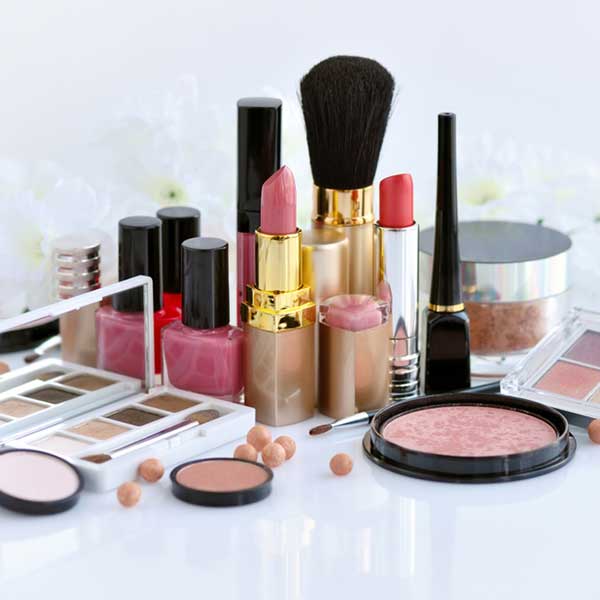
Cosmetics Products
Ordinary glycolic acid used in making of cosmetic products like toners, serums, peel. It helps to impart nutrients into skin and makes it beautiful. Products like facial makeup products, grooming creams, use this to remove hyperpigmentation and improve texture of skin.
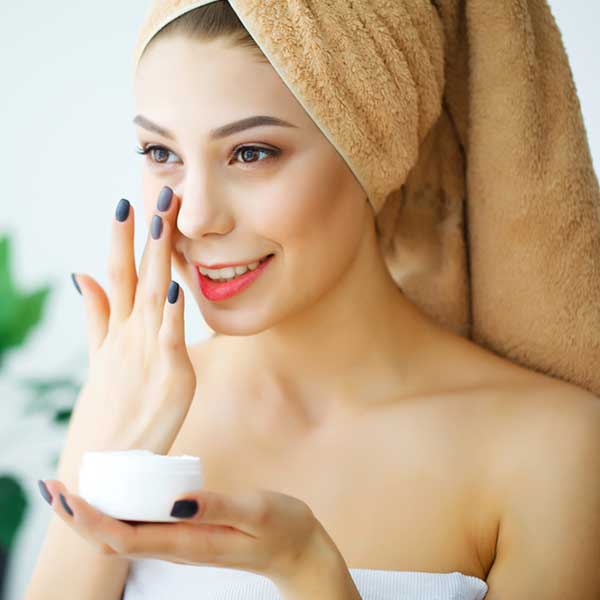
Skin Moisturizer
Composition of glycolic acid builds a barrier on the outer layer of skin due to its use in creams, moisturizers, and lotions. These skincare products ensure moisture is retained in the skin and it remains soft and plump. It is also helpful in removing acne and lightening acne scars.

Hair Conditioner
Active Ingredient like glycolic acid is used for making hair conditioner and leave-in conditioners as it imparts moisturization and nutrients into the hair strands and makes them look frizz-free and soft. It also brings in natural shine and smoothness into the hair.
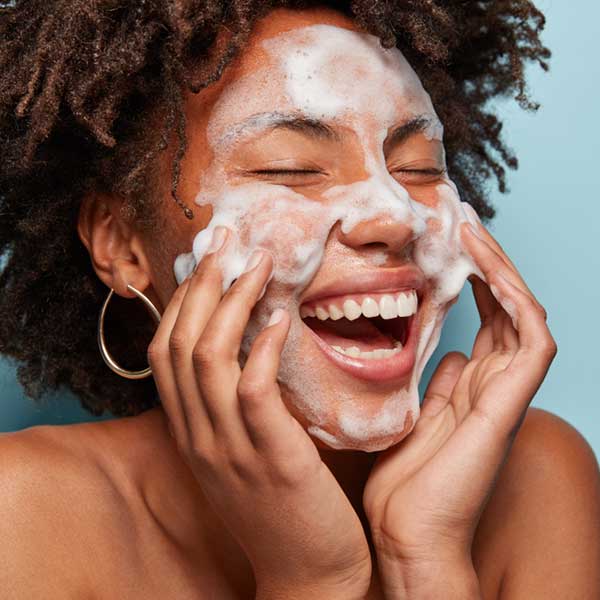
Cleansers & Face Wash
Natural exfoliating and pH balancing properties of glycolic acid are used for making cleansers and face washes. Application of this cleansing agent draws impurities like sweat and dirt which is the reason for skin issues like pimples, acne, breakouts, etc.

Skincare Products
Keratolytic properties in glycolic acid help to exfoliate dead skin cells from surface of skin. It is added in skincare products like scrubs, lotions, toner, face wash. Its humectant properties help to draw moisture into the skin and remove dark spots.

Shampoo
Hair cleanser and shampoo consists of glycolic acid as it has ability to penetrates deeply into hair follicles and draw sebum and excess oils from scalp. These shampoos also help to get rid of product build-up, dirt and impurities from scalp and hair strands.
Glycolic Acid Benefits

Skin Tightening
Natural compounds present in glycolic acid stimulate the production of collagen and ensure that skin remains firm and tight. It also prevents saggy or loose skin, which makes it aged and dull. It is used to restore youthfulness and plumpness in the skin.

Restore Skin Elasticity
Skincare products contain ordinary glycolic acid to restore natural radiance of skin. It protects outer skin layer, helps to retain moisture and hydration. It doesn't make skin appearance dry and dreary. It is effective on sensitive, dry as well as for oily skin.
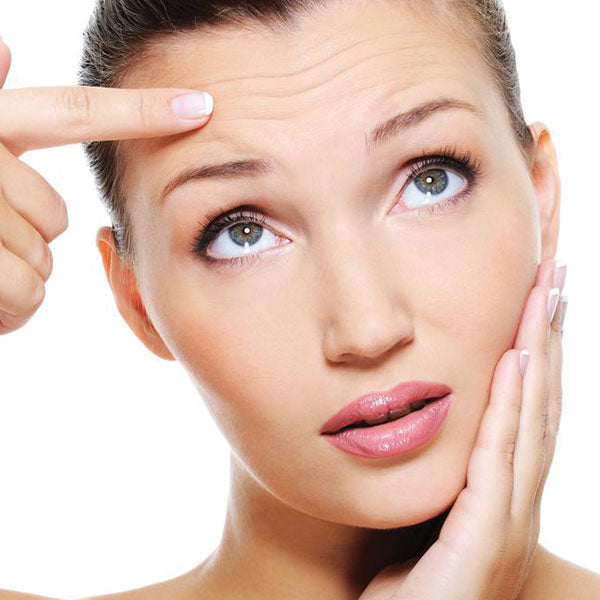
Anti-aging Properties
Using glycolic acid helps to improve tone and texture of skin also minimizes appearance of fine lines and wrinkles. It also prevents signs of premature skin aging. This protects skin from sun damage, hyperpigmentation and pollution.

Acts Exfoliator
Natural glycolic acid act as excellent exfoliator due to presence of compounds that help in chemical peeling. It detoxifies skin by getting rid of harmful bacteria and viruses. It also effectively minimizes the size of large open pores on skin.
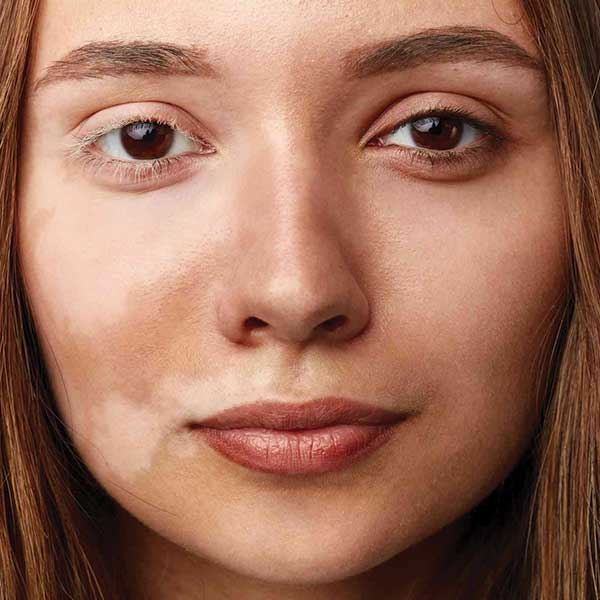
Even Skin Tone
Potent cleansing and clarifying properties of glycolic acid helps to provide even skin tone by preventing pigmentation and dark spots on skin. It can constructively used to fade marks and scars present on skin and make it look smooth.

Cleanses Hair
Exfoliates scalp to get rid of product buildup, oil, dirt, and other impurities. It also cleanses hair strands and makes it look shiny and smooth. Its application imparts moisture and hydration to hair and scalp, resulting in less dandruff and flakiness issues.
Product Specifications
| Product Name: | Glycolic Acid |
| Raw Material Source: | Monochloroacetic Acid |
| Manufacturing Process: | olten Monochloroacetic Acid is hydrolyzed at 90 to 130-degree Celsius by using sodium hydroxide (50%). |
| Chemical Formula: | C2H4O3 |
| CAS Number: | 79-14-1, 7732-18-5 |
| IUPAC Name: | Glycolic Acid, H2O |
| Molecular Weight: | 76.05 g/mol |
| Boiling Point: | 100°C |
| Flash Point: | 300 °C |
| Odor: | Characteristic |
| PH Level: | 3 to 4 |
| Color: | Colorless |
| Grade Standard: | Technical Grade |
| Shelf Life: | 24 months |
| Form: | Liquid |
| Alternative Names: | Glycollic acid, Glycol acid. |
| Solubility: | Soluble in Water,Alcohol, Acetic Acid |
| Industry: | Cosmetic, Personal Care, Skincare |
| COA: |  |
| MSDS: | |
CAUTION: This product is only meant for external application. Therefore, avoid using it internally, and do not use it if you are suffering from any skin ailments.
Packaging Sizes

Please Note: The packaging shown above is a General Representation of the various sizes and types of packaging available for this product. Not all sizes and types of packaging for this product maybe available at all times.
Buy Glycolic Acid at Wholesale Price
Manufacturer and Wholesaler - VedaOils is a reliable manufacturer and wholesale supplier of Glycolic Acid. They offer high-quality Glycolic Acid for exfoliant, skincare, treats acne, reduces wrinkles, chemical peels and dermatology at low bulk prices.
Bulk Supplier - VedaOils sells Glycolic Acid in large amounts at low prices, with consistent quality and safe packaging. This makes it perfect for businesses that make many products or sell their brands.
Logistics partners - VedaOils ships with reliable companies like DHL, FedEx BlueDart, and India Post, etc. We ensure the safe, timely, and damage-free delivery of Glycolic Acid to locations in around the world.
Payment Gateways - VedaOils has safe and easy payment options that let you choose from a number of trusted online payment methods for large orders.
Worldwide Shipping - We export our high-quality Glycolic Acid to the US, Canada, UK, Australia, and other countries. Our products follow the highest standards when it comes to quality. We assure you that you will not regret choosing us!
Frequently Asked Questions
-
Q. Are glycolic acid solution peels safe?
A: Yes, its solution peels are made from natural ingredients and are also tested in labs so that they are non-toxic safe and skin-friendly.
-
Q. Is this peels effective?
A: Peels from glycolic acid solution are effective for the skin as it helps to get rid of hyperpigmentation, dark spots, patchy skin, and even tanning.
-
Q. Are glycolic acid cleansers effective?
A: Face, as well as body cleansers made from it, are quite effective on skin as it helps to chemically exfoliate skin without causing dryness or roughness. It is effective on sensitive, dry as well as for oily skin.
-
Q. Can this solution be used daily?
A: Glycolic acid can be used daily on skin but only if it is applied in a diluted form otherwise you must apply it on an alternate day’s basis.
-
Q. Can glycolic acid remove pigmentation?
A: Yes, It helps to lighten pigmentation and dark spots on the skin and make its appearance smooth and even.
-
Q: Can I apply the undiluted glycol acid for chemical peeling on legs?
Applying undiluted glycolic acid directly to the skin, especially on larger areas like the legs, is not recommended. Glycolic acid is a powerful exfoliant and chemical peel agent that can cause irritation, burning, and potentially severe damage if used incorrectly.
-
Q: What is the concentration (%) of glycolic acid that you are selling on your website?
Our Glycolic Acid contains around 70% of concentrate and 30% of water.
-
Q: Gycolic acid used directly on face or mix it with in face pack?
Glycolic acid offers three primary application methods in a skincare regimen: as a facial cleanser, a toner, and a mask. When incorporating glycolic acid into your routine, it's advisable to choose between using it as a daily face wash or toner, as both typically feature lower concentrations suitable for daily use. Additionally, consider incorporating a weekly glycolic acid mask for enhanced benefits. Spread 3 to 4 drops (the equivalent of a pea) on your face during your evening beauty routine.
-
Q: What is the usage rate of glycolic acid for leave in body products ?
Up to 10% glycolic acid and are a good option for daily body care products.
You may also like

Latest Posts
Aromatherapy Diffuser Market Report 2026 to 2033: Size, Share & Trends

Aromatherapy Diffuser Market Report 2026 to 2033: Size, Share & Trends
Aromatherapy Diffuser Market Report 2026 to 2033: Size, Share & Trends
Herbal Oil Market Report 2026 - 2036: Size, Growth & Forecast

Herbal Oil Market Report 2026 - 2036: Size, Growth & Forecast
Herbal Oil Market Report 2026 - 2036: Size, Growth & Forecast
Essential Oil Market Report (2026-2035): Industry Size, Trends, & Forecast

Essential Oil Market Report (2026-2035): Industry Size, Trends, & Forecast
Essential Oil Market Report (2026-2035): Industry Size, Trends, & Forecast
Fragrance Oil Market Report 2026–2033: Size & Growth Forecast

 Home
Home Search
 Shop
Shop Chat
Chat Profile