
Homemade Castile Soap Cleaning Spray

Castile soap acts as a surfactant and cleanses away the dirt and germs from the surfaces effectively. In this article, we will study how to make castile soap cleaning spray at home by following a few easy steps.
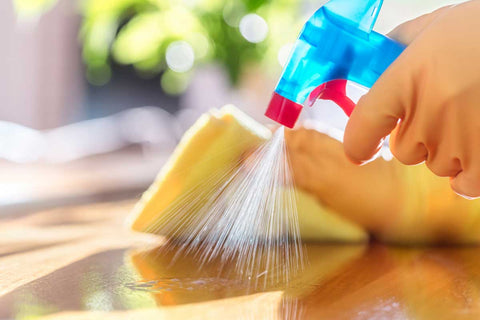
Soap cleaning sprays are used to clean kitchen cabinets, floors, and other surfaces in your home. Home cleaning sprays can also be made using castile soap. Moreover, it is a biodegradable ingredient that does not harm your indoor and outdoor plants.
How to Make Castile Soap Cleaning Spray?
To make castile soap all-purpose cleaner, you need to have a few ingredients. These ingredients include liquid castile soap, essential oils, and more. Let’s check how to make castile soap cleaning spray now!
Ingredients:
- Distilled water - 1 cup
- Liquid castile soap - 1 tbsp.
- Essential oil of your choice - 10 to 20 drops
Directions:
Step 1: Pour the distilled water in a spray bottle. After that add the castile soap and shake the bottle well so that it mixes thoroughly with water.
Step 2: You can also use the castile soap bar for making the castile soap all purpose cleaner recipe. However, in this case, you will need to cut or grate the soap bar into fine pieces so that the soap melts into the water easily.

Step 3: Add the essential oil in the bottle and shake it again. You can either use a single essential oil or an essential oil blend as per your preferences. The essential oil not only enhances the antifungal and antimicrobial properties of your cleaning spray but also adds a fresh fragrance to the castile soap cleaning spray. This aroma drives away the foul odour from the indoor and outdoor surfaces of your home.
Step 4: Now, you can use the castile soap cleaning spray to clean the surfaces. Just spray some of the cleaning spray on the surfaces and clean them with a wet cloth. You can use a toothbrush or scrub for cleaning the rigid stains from the surfaces. Keep the castile soap cleaning spray bottle in a dry and cold place. Do not place it under direct sunlight or heat as it contains the essential oils that may react with the soap under these circumstances.
DIY Cleaning Recipes Using Castile Soap
You can also make other DIY cleaning recipes using castile soap. These recipes include floor cleaners, hand soaps, dish soaps, and more. Let us see these DIY recipes one-by-one now!

1. Hand Soaps
Liquid castile soap can be used to make DIY hand soaps. You can infuse essential oils in this hand soap recipe to add an invigorating fragrance to it. The detailed steps are given below for your reference.
Ingredients:
- Liquid Castile Soap - ¼ cup
- Distilled Water - 1 cup
- Coconut Oil (fractionated) - 1 tbsp
- Grapefruit Essential Oil - 7 drops
- Lime Essential Oil - 8 drops
Procedure
Step 1: Mix all the ingredients together in a soap dispenser.
Step 2: Shake the dispenser well so that the ingredients combine together. Store the hand wash in a cold and moisture-free place.
2. Dish Soap
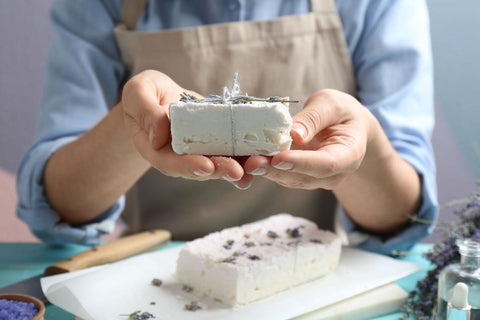
It is also possible to make an effective dish soap using castile soap and a few other ingredients. The dish soap will cleanse away the stains from the dishes and add an inviting fragrance to them.
Ingredients:
- Filtered Water - 1.5 Cups
- Castile Soap - 1 Cup
- Baking Soda - 1 Tsp.
- Coconut Oil (Fractionated) - 1 Tsp
- Grapefruit Essential Oil - 12 Drops
Procedure
Step 1: Take a mixing bowl and blend water and castile soap in it. Add baking soda, coconut oil, and grapefruit essential oil to this mixture.
Step 2: Stir the mixture thoroughly to blend all the ingredients and then fill the mixture in a bottle that comes with a pumping system.
3. Floor Cleaner
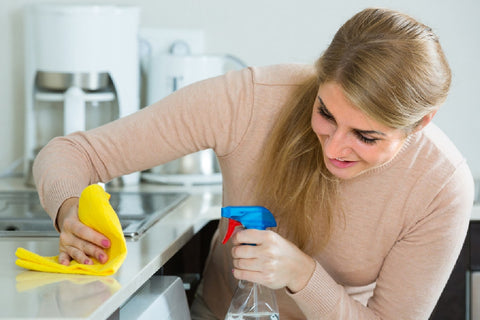
Castile soap floor cleaner can be made with only two ingredients. Check the below details to understand how to make this DIY recipe!
Ingredients:
- Hot Water - 2 Gallons
- Castile Soap - ¼ Cup
Procedure
Step: Mix both the ingredients and use it as a floor cleaner with a mop!
4. All Purpose Cleaner
You can also make a castile soap all purpose cleaner by using a few ingredients with liquid castile soap. The process and ingredients to be used in this DIY recipe are shared below!

Ingredients:
- Distilled Water - 1 Cup
- Liquid Castile Soap - 1 Tbsp.
- Tea Tree Essential Oil - 5 Drops
- Lavender Essential Oil - 5 Drops
Procedure
Step 1: Mix all the contents into a spray bottle. Shake it well and spray it over the surfaces that you wish to clean!
Step 2: The essential oils used in this castile soap all purpose cleaner DIY recipe add antifungal and antimicrobial properties to it. These properties disinfect the surfaces and protect your family from the micro-organisms.
5. Sink Scrub
Making an effective sink scrub with castile soap is also easy. You just need a few ingredients along with liquid castile soap to make this recipe at your home!

Ingredients:
- Liquid Castile Soap - ¼ Cup
- Baking Soda - 1 Cup
- Essential Oil of your Choice - 5 Drops
Step : Mix all the ingredients together until it forms a fine paste. Transfer the mixture in a clean jar. Use it as any sink scrub to disinfect your kitchen sink.
Conclusion
These were some DIY cleaning sprays and scrubs that we can make using castile soap. Get unscented liquid castile soap for all these recipes. VedaOils is a trusted supplier of all soap making ingredients. You can get castile soap in bulk from their portal at wholesale rates. Share your feedback with us after trying any or all of these recipes!
Frequently Asked Questions
Welcome to our comprehensive FAQ section on Castile Soap Cleaning Spray Recipe!

Q. What is a castile soap?
Ans. Castile soap is a soap made from vegetable oils like olive oil. It is considered to be eco-friendly as it degrades easily unlike soaps made from synthetic ingredients.
Q. Is castile soap vegan?
Ans. Yes, castile soap is a vegan ingredient as it is obtained from vegetable oils. Therefore, vegans can use it for making castile soap cleaning spray and other DIY recipes.
Q. Is castile soap safe for our skin?
Ans. Yes, castile soap is skin-friendly and gentle on your skin as it is made from plant oils. It contains antibacterial properties that cleanses your skin without having a drying effect on it.
You May Also Like:
- How to Make Aloe Vera Soap at Home
- How to Make Charcoal Soap at Home
- Homemade Soap Recipe For Men
- Charcoal Soap Benefits For Skin
- DIY Shea Butter Soap Bar at Home

Reviewed by:
Anjali Sharma
Anjali Sharma is a cosmetic & skincare formulation chemist with experience in developing products with over 5 years of experience in the Skincare and cosmetic industry.
Buy Products
-
 ₹449.00 ₹900.00
 -
 ₹499.00 ₹800.00
 -
 ₹399.00 ₹1,000.00
 -
 ₹449.00 ₹800.00
 -
 ₹649.00 ₹1,000.00


 Home
Home Search
 Shop
Shop Chat
Chat Profile